

The Class Reunion Planning Checklist: From Save-the-Dates to Send-Off
How to build a planning committee, track down lost classmates, pick a venue that means something, and work in nostalgia without leaving it to chance.

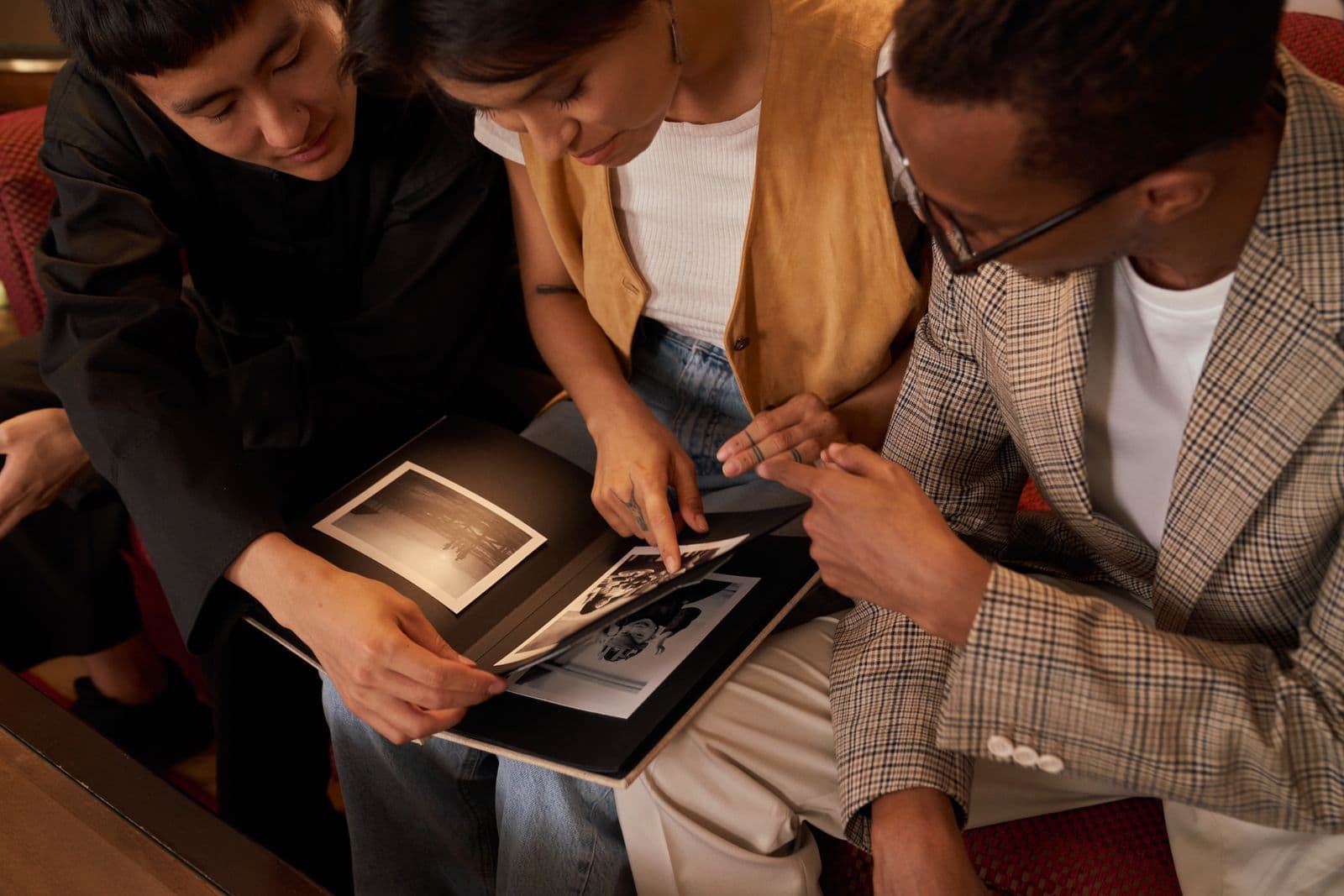
Class reunions have a problem family reunions don't: nobody's automatically in the group chat. A family reunion has a built-in communication tree, aunts calling nieces, cousins texting cousins. A class reunion has to reconstruct 200 people who scattered across the country twenty or thirty years ago and, in a lot of cases, actively lost touch on purpose. I've consulted on enough of these now to know the whole thing lives or dies on a handful of specific tasks, done in a specific order, by more than one exhausted volunteer.
Build a committee of three to six people, not a hero
The single biggest predictor of a class reunion falling apart is one person trying to do it alone. It always starts well-intentioned — "I'll just handle it" — and it always burns that person out by month four. I recommend a committee of three to six classmates, each owning a distinct lane: one person on classmate tracking and communication, one on venue and logistics, one on money and RSVPs, and if you can swing it, one dedicated to the nostalgia elements, because that work is real and it's easy to let slide when the practical stuff is eating everyone's time. Split it early. A reunion planned by six people working two hours a week each beats one person working twelve hours a week, every time, because burnout kills momentum right when you need it most, usually around the four-month mark.
Tracking down lost classmates is a real project, budget time for it
This deserves its own line item in your planning, not a footnote. Start with whatever your class already has: old yearbooks with addresses, a defunct Facebook group from the last reunion, a class Christmas card list somebody's mom kept. From there, a dedicated Facebook group for your graduating year is still the single best tool, because classmates find it through mutual friends and self-report their own contact info, which saves you the work of finding them individually. LinkedIn works well for tracking down people by name if you know roughly where they landed professionally. And don't underestimate just asking around — somebody in your class is still in touch with the people who seem impossible to find, you just have to ask enough people to locate that somebody.
Expect this phase to take two to three months for a class of 150-300, longer if it's been 20+ years since graduation and people have changed names through marriage. Start it 8-10 months out. I've seen committees try to compress this into six weeks and end up with half the class never even hearing the reunion happened, which is its own kind of sad outcome after all that other work.
Pick a venue that means something, not just one that's available
Family reunions can happen almost anywhere. Class reunions work better tied to place. A banquet room at the same country club your class used for prom. A rented space near the old school, ideally somewhere classmates can walk past the building itself, even if it's just for a photo. A restaurant or bar that was a hangout spot back in the day, if it's still standing. This isn't sentimentality for its own sake — it does real work, because it triggers memory and conversation faster than a generic hotel ballroom ever will. If your school and hometown have scattered and nobody lives there anymore, second-best is a venue in whatever city has the highest concentration of your former classmates now, which you'll only know once your tracking phase above is mostly done. That's part of why venue booking should come after outreach starts, not before, even though it feels backwards to plan the outreach before the location.
Headcount for a class reunion is genuinely hard to predict until RSVPs firm up, since response rates for 20-year reunions often land somewhere between 25% and 40% of a graduating class, not the 60-70% you might assume. Don't book a venue sized for your total class roster. Book for a realistic response range and confirm you can adjust capacity if RSVPs run higher or lower than expected.
Work in the nostalgia deliberately, don't leave it to chance
The nostalgia elements are what separate a good class reunion from a room full of adults awkwardly holding drinks. Pull yearbook photos and either print a slideshow or set up a physical display board — people will stand in front of it for twenty minutes finding themselves and their old crushes, I promise you. Bring back old class colors in the decorations or in the event shirts themselves; there's something that lands differently about seeing your graduating class's colors again after two decades of forgetting they mattered to you. If your class had an inside joke, a mascot, a specific hangout, or a memorable teacher everyone loved, work a small nod to it into the evening, whether that's a name-tag design or a toast. These touches cost almost nothing and generate more genuine emotion per dollar than anything else on the budget.
A photo booth with props from your graduation era does a lot of work here too, and it gives people something to do besides stand in clusters with the four friends they already talk to. The goal of the nostalgia elements isn't just decoration, it's permission — it gives people who haven't talked in twenty years an easy conversation starter that isn't "so, what do you do now."
Get merchandise decided early, and make it optional but easy
Not everyone wants a shirt at a class reunion the way they might at a family one, and that's fine — don't force it. But offer it, and offer it early, because the people who do want it tend to want it a lot, especially around class colors or a "Class of [Year]" design that doubles as a keepsake. Set up ordering through your RSVP process so people commit and pay at the same time they confirm attendance, rather than running a separate ordering round later that half your committee has to chase down. If you're weighing options beyond shirts, hoodies do well for reunions with an evening or fall-weather component, and smaller keepsake items work as a lower-cost alternative for classmates who want something but not another t-shirt in a drawer. Browsing past reunion projects is a decent way to see how other classes have handled the class-colors-and-year design combination before you land on your own.
The realistic timeline
Ten to twelve months out: form the committee and start classmate tracking. Eight months out: lock the venue once your outreach has enough traction to guess at real headcount. Six months out: open RSVPs and merchandise ordering together. Four months out: nail catering and finalize the nostalgia elements like the photo display and any printed materials. Six to eight weeks out: close merchandise orders and get final numbers to your venue and caterer — this is also roughly the deadline to request a quote if you haven't already, since group apparel orders need real lead time to avoid rush pricing. Two weeks out: confirm final headcount, print name tags with yearbook photos if you're feeling ambitious, and send the last reminder to the stragglers who RSVP late every single time, because there are always a few.
A class reunion is more work than people expect going in, mostly because of the detective work up front, but it rewards a small dedicated team more than almost any other event I've planned. Get the committee right, start the classmate search early, and let the nostalgia do the emotional heavy lifting it's built to do.
Ready to bring your event to life?
Tell us what you're planning and we'll put together a custom quote for apparel and merch made just for your group.
Start Your QuoteMore on Planning & Logistics

How to Plan a Multi-Day Family Reunion Weekend Itinerary
A real sample Friday-to-Sunday reunion schedule, built around pacing meals and downtime so guests don't burn out before the weekend's over.

How Far in Advance Should You Start Planning a Family Reunion?
A real month-by-month reunion timeline, from locking the venue at 12 months out to the week-of checklist, plus the last-minute mistakes that cost families the most.

How to Get RSVPs (and Real Attendance) for a Family Reunion
A plain evite has no deadline pressure, so people ignore it. Here's how to get real headcounts by tying RSVPs to something concrete, like a shirt order.